A busy arvo on a real casino floor teaches you fast: the room only feels smooth when the platform behind it keeps every shoe, dealer, and payout moving in the same rhythm. I’ve managed high-volume table operations where a single lag spike in the streaming stack meant re-dealing hands and re-counting chips, so I judge any gaming platforms live casino by how it handles that pressure without asking a guest to wait. The live dealer environment isn’t about spectacle; it’s about a disciplined sequence of bets, shuffles, and settlements that has to hold up when the queue grows. When the underlying software keeps pace, a player can read the table, place a wager, and watch the round resolve without wondering whether the stream will drop mid-hand.
What the Live Table Actually Presents to a Player
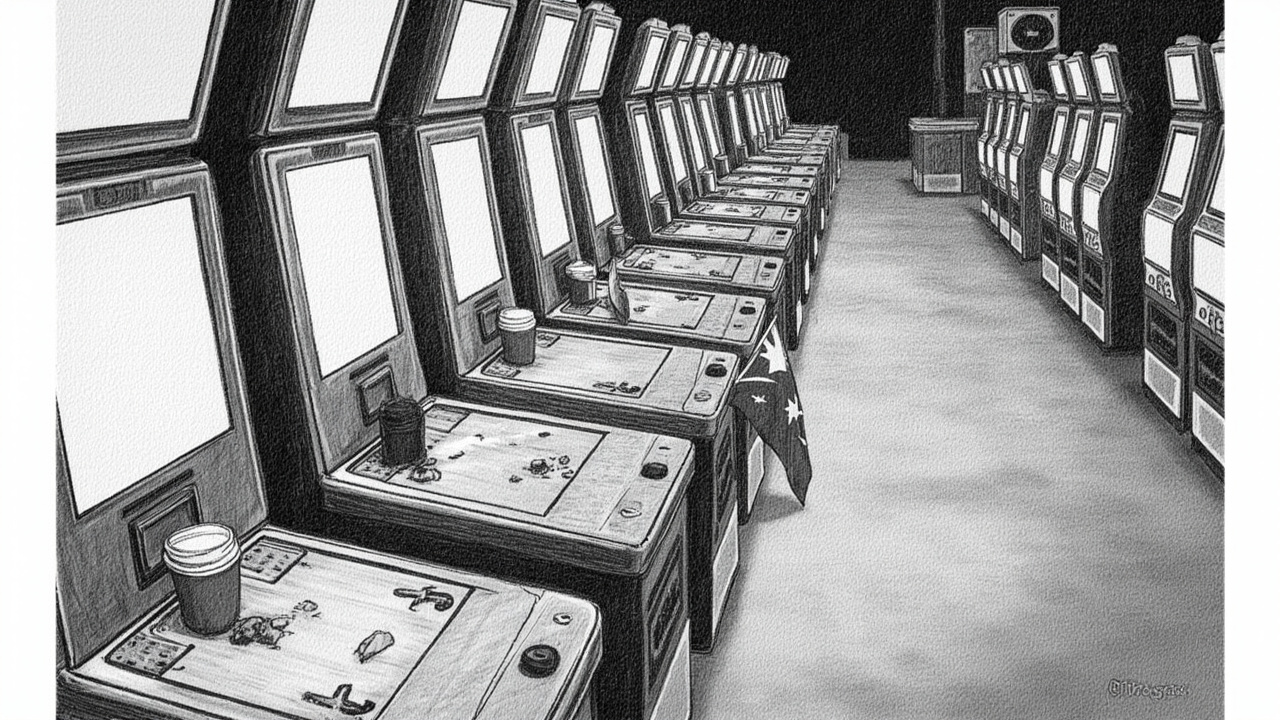
When you tap into a live dealer session, the first thing you notice is the layout: a clean felt view, a dealer who calls the action in a steady voice, and a betting panel that mirrors the real table rather than crowding the screen. I’ve seen platforms where the camera angle locks on the shoe and the discard tray, because that’s what lets a player read the pace without leaning in. On a well-run floor, the same principle applies – the visible cues carry the game, not the graphics. A good live table keeps the dealer’s cadence consistent, the card delivery predictable, and the bet timers generous enough that a casual player isn’t rushed while a regular can still act on instinct. The interface should let you adjust chip values, toggle table limits, and switch between roulette, blackjack, or baccarat without losing your place in the queue. If the stream stutters or the dealer’s audio drifts, the whole session loses its discipline, and that’s the moment a guest starts questioning whether the round is being run properly.
How a Player Moves Through a Live Session
A practical walkthrough starts before the first card is dealt: you pick a table, check the posted limits, and decide whether the pace suits the way you like to play. From there, the sequence is straightforward – load the chip tray, place your wager inside the line before the timer closes, and watch the dealer call the action while the stream keeps the whole table in frame. I’ve run shifts where a table had to handle a rush of late-evening players without slowing the shuffle, so I know a platform earns its keep when the betting window, the deal, and the payout all land in the right order every time. The player experience should feel like sitting at a real felt, not like fighting a menu. You can read the shoe, track the dealer’s rhythm, and decide whether to stick with your stake or step back before the next round. When the session runs cleanly, you’re focused on the game; when it doesn’t, you’re watching the stream instead of the cards.
Where Welcome Offers and Ongoing Promos Fit
A welcome offer should be easy to read at a glance: the deposit match, the wagering requirement, the eligible games, and the time window all sit together so a player knows what they’re signing up for before they place a first bet. I’ve always preferred promos that spell out contribution rates per game type, because a live table that counts fully toward clearance is worth more than a bigger headline number that drags on a low-contribution side bet. The structure matters more than the flash – a clear match, a fair rollover, and a stated cap on bet size during bonus play keep the offer honest. Recurring promos work in our corporate sources best when they reward steady play rather than chasing a one-off spike, and the terms should say exactly how a live dealer round contributes, what the maximum bet limit is while a bonus is active, and which currencies the clearance runs in. A player who reads the fine print can plan their session around the offer instead of guessing whether a win will clear.
- Deposit match and wagering requirement stated together before the first bet
- Contribution rate for live dealer tables listed per game, not buried in general terms
- Maximum bet limit during bonus play written plainly, with the consequence of breaking it
- Time window for meeting rollover and any recurring promo schedule spelled out
- Currency and payment method eligibility noted so clearance matches the account
What This Means for Australians
For players here, the practical question is whether the live table fits the way we actually play – late sessions, a mix of casual and regular stakes, and a preference for clear terms over flashy promises. I’d defo want to see the offer structure, the wagering, and the contribution rates up front, because a promo that looks generous on the surface can turn into a long clearance if the live tables contribute poorly. Local players also want to know how the platform handles registration, verification, and payouts in a way that doesn’t stall a session when the arvo rush hits. I’ve sat in on compliance reviews where the operator’s own controls had to line up with the streaming stack, and that’s the kind of discipline that keeps a table honest. A site like https://jeetcasino.org/ [own; anchor=”https://jeetcasino.org”] can be a useful starting point for comparing how a live dealer environment is presented, but the real test is whether the table runs cleanly when the room gets busy and the terms stay readable without a magnifying glass.
As Matilda White, iGaming Regulatory Consultant, Sunburnt Country Interactive, puts it, “A live dealer platform has to show its terms the same way it shows the table – plainly, consistently, and without making a player hunt for the catch.” Lucas White, Sports Betting Analyst, Red Centre Analytics, reckons the pace matters just as much: “If the betting window and the deal aren’t lined up, the whole session feels off, and that’s when guests start second-guessing the round.” Oliver Evans, Head of Operator Partnerships, Wattle Gaming Partners, is clearer still: “A platform that can’t keep the stream, the shoe, and the settlement in sync won’t hold a busy table, no matter how polished the welcome offer looks.”
A live dealer session should feel like a well-run table: the pace is steady, the terms are readable, and the platform keeps up without making you wait on the stream. When the gaming platforms live casino handles that rhythm properly, a player can focus on the felt, the dealer, and the next round instead of the software behind it. That’s the standard worth judging any live table against, especially when the room gets busy and the offer has to make sense without a detour through the fine print.